Professor Steve Widdicombe is an internationally respected marine biologist whose career has focused on understanding how marine ecosystems respond to natural variability and human-driven environmental change. He is particularly well known for his pioneering work on benthic (seafloor) ecosystems and for helping to establish ocean acidification as a major area of marine research within the UK and internationally.
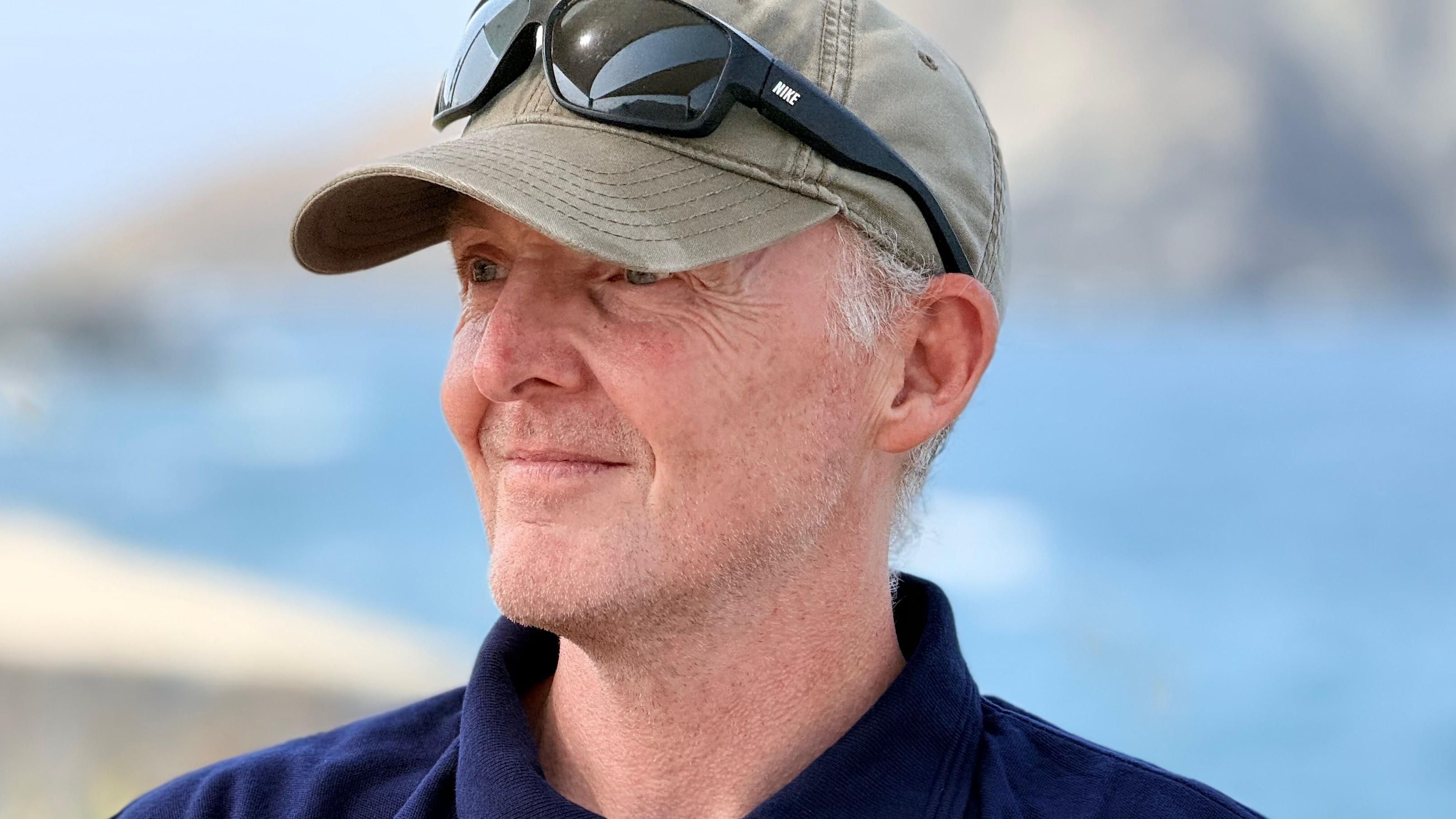
His research explores the structure and functioning of marine sediments and the communities that inhabit them, examining how physical, chemical, and biological processes interact to shape ecosystem health. A central theme of his work has been the response of marine organisms and ecosystems to stressors such as rising carbon dioxide levels, climate change, pollution, and other anthropogenic pressures. Through laboratory experiments, field studies, and long-term monitoring programmes, Professor Widdicombe has contributed critical insights into how ocean acidification and multiple stressors affect species interactions, biodiversity, and ecosystem services.
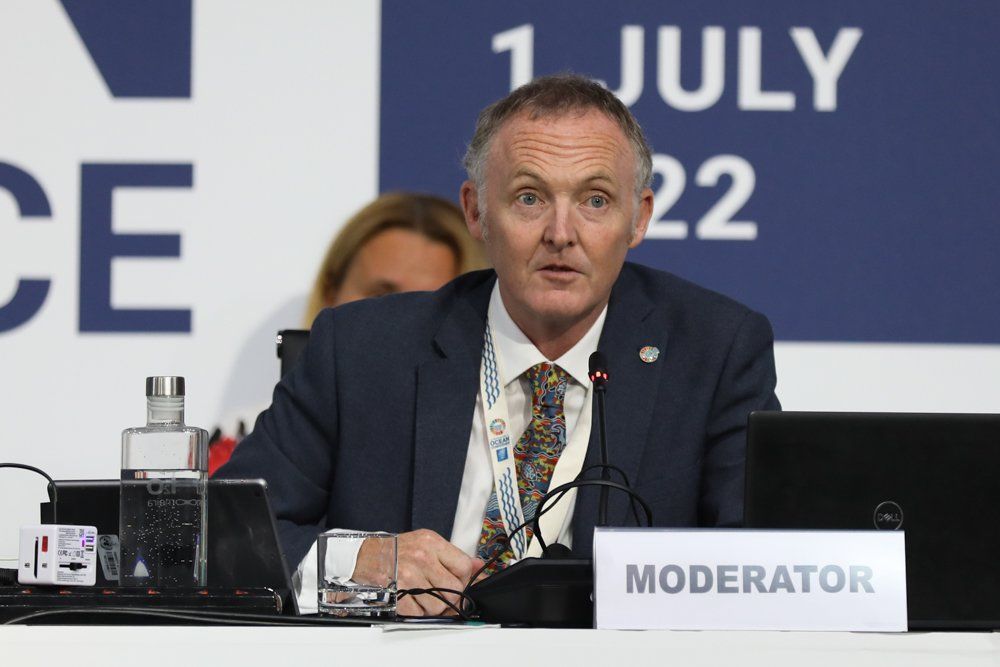
Professor Widdicombe has played a key role in developing experimental approaches to study future ocean conditions, including mesocosm and in situ manipulation experiments that simulate predicted environmental changes. His work has helped move the field beyond single-factor studies, highlighting the importance of cumulative and interactive effects of stressors on marine systems. These contributions have informed both scientific understanding and policy discussions around climate change mitigation and marine conservation.
In addition to his research, Professor Widdicombe has held a number of senior leadership positions within UK marine science. He has been closely associated with national research organisations and marine laboratories, where he has helped shape strategic research agendas and foster interdisciplinary collaboration across ecology, biogeochemistry, oceanography, and social science. His leadership has supported the integration of fundamental science with applied research aimed at sustainable marine management.
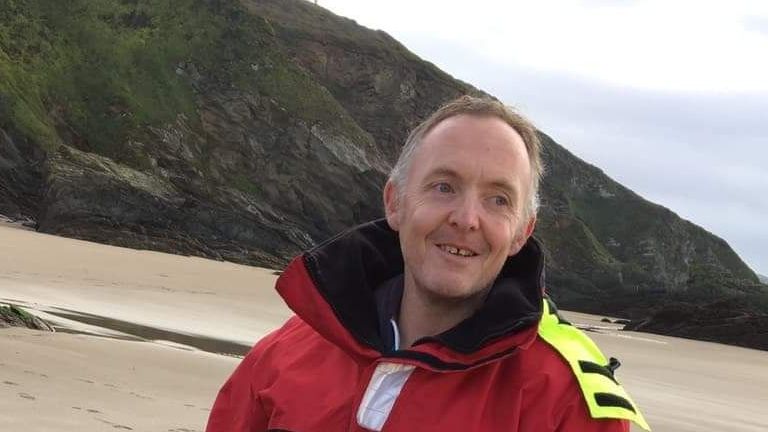
Professor Widdicombe has authored and co-authored a substantial body of peer-reviewed publications and has been an active contributor to international scientific programmes and advisory groups. His expertise has been sought by governmental and intergovernmental bodies, reflecting his commitment to ensuring that robust scientific evidence underpins environmental policy and decision-making.
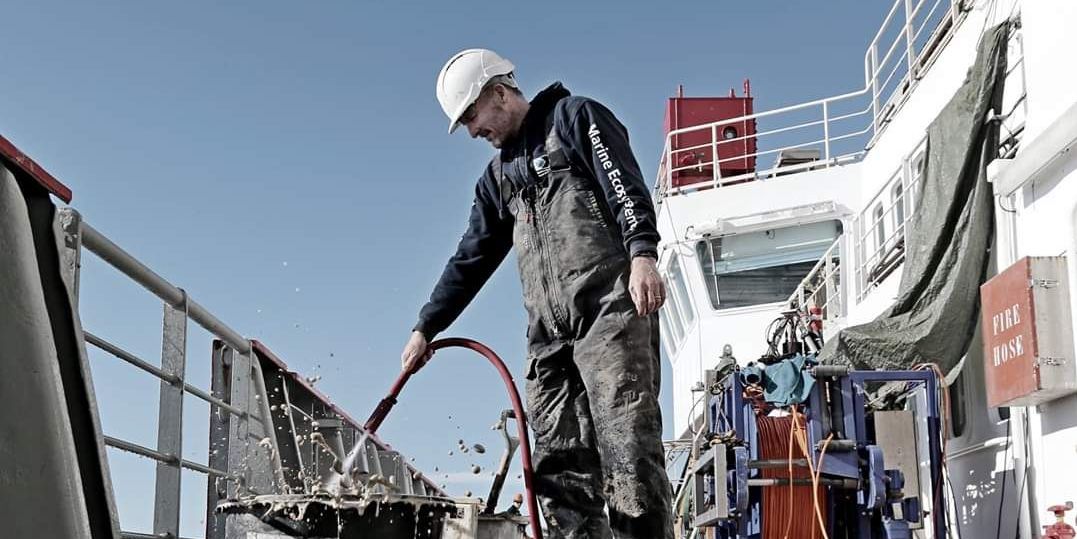
Equally important to his professional identity is his dedication to mentoring and capacity building. He has supervised and supported numerous postgraduate students and early-career researchers, many of whom have gone on to establish successful careers in marine science and environmental management. He is also a strong advocate for clear and accessible science communication, engaging with stakeholders, policymakers, and the wider public to raise awareness of the challenges facing the oceans.
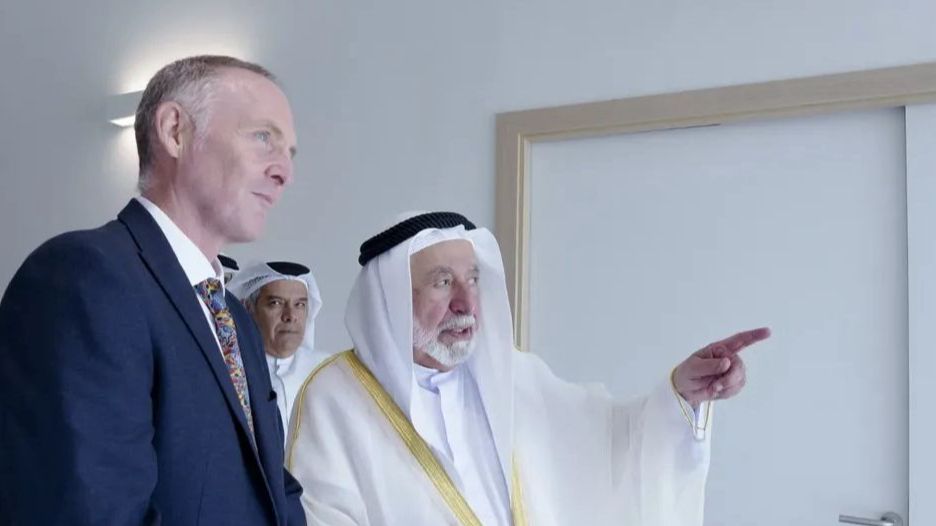
“For over 3 decades I have been privileged to work as a marine scientist, exploring and unlocking the ocean’s secrets. Using this knowledge in the pursuit of solutions to some of our planet’s biggest environmental threats and, in doing so, protecting and conserving threatened marine species and ecosystems. At the Sharjah Marine Science Research Centre, I have the incredible opportunity to take this ambition to the next level, building world class science programmes to deliver demonstratable benefits to both people and nature.”