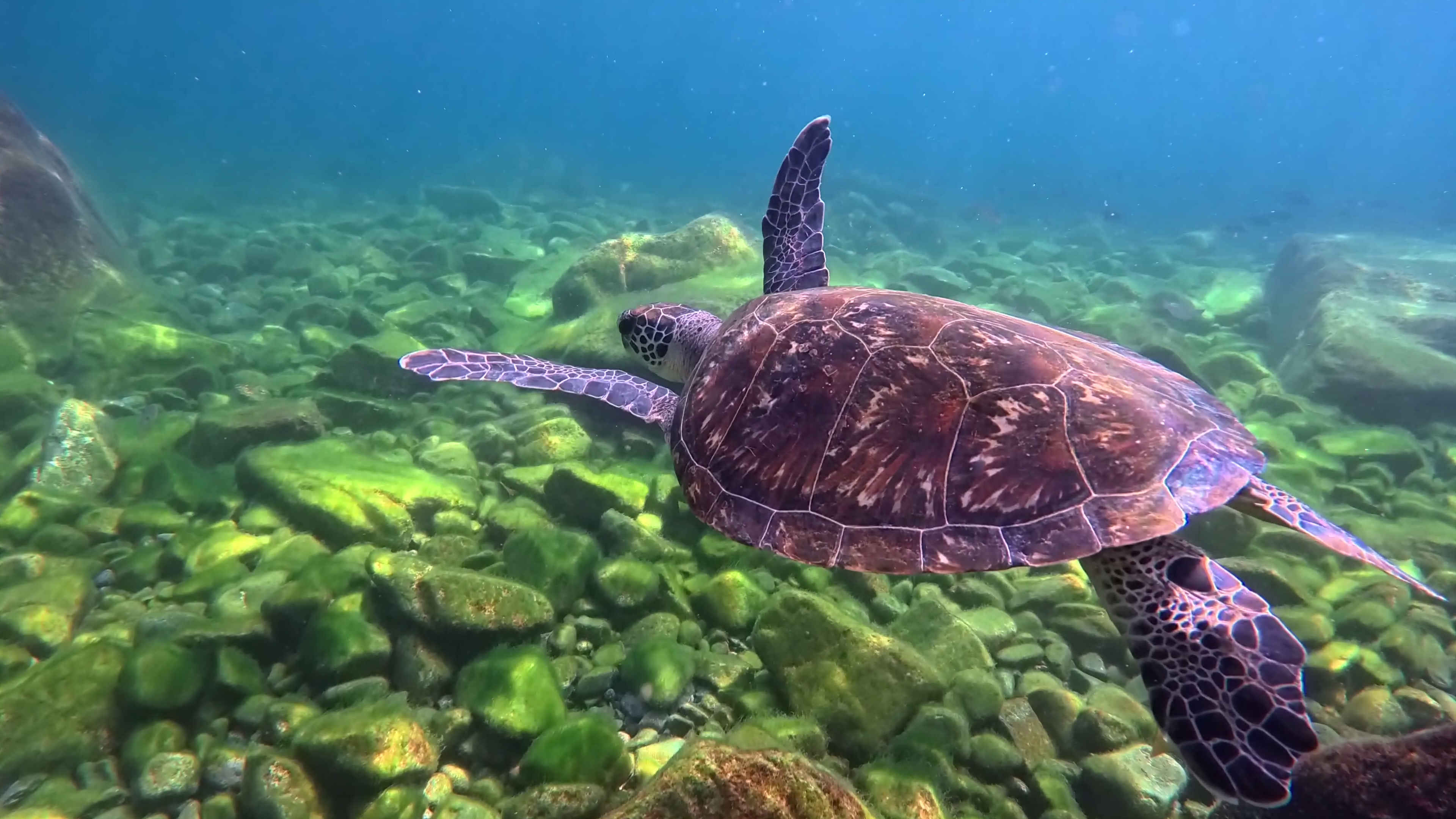
Exploring Khor Kalba wetland habitat use by juvenile green turtles
Tracking juvenile green turtles reveals critical wetland habitats and surprising ecological value of a manmade lagoon in the UAE.
Short Project Description / Summary
Tracking juvenile green turtles reveals critical wetland habitats and surprising ecological value of a manmade lagoon in the UAE.
Longer Project Description
Coastal wetlands are among the most productive biodiversity hotspots in the tropics, providing essential nursery and foraging habitats for many marine species, including marine turtles. Yet these ecosystems are also among the most threatened globally, creating an urgent need to understand how key species use protected and human-modified wetlands. In collaboration with the Environment & Protected Areas Authority, this project is using fine-scale GPS telemetry to quantify residency and habitat use of juvenile green turtles (Chelonia mydas) within the protected coastal wetland and Ramsar site of Khor Kalba and its designated protected area, the Al Qurm Wa Lehhfaiiah Marine Protected Area (MPA).
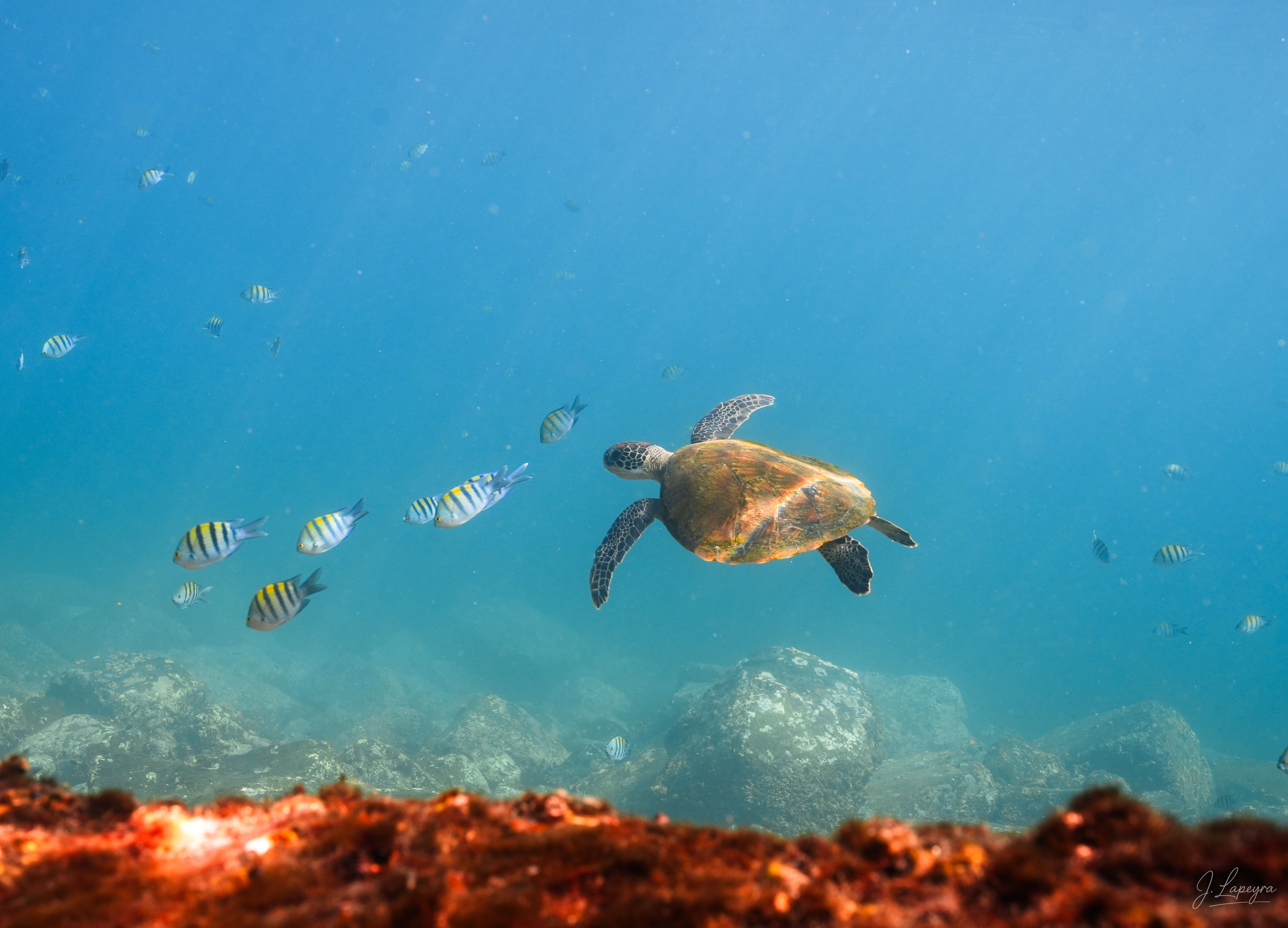
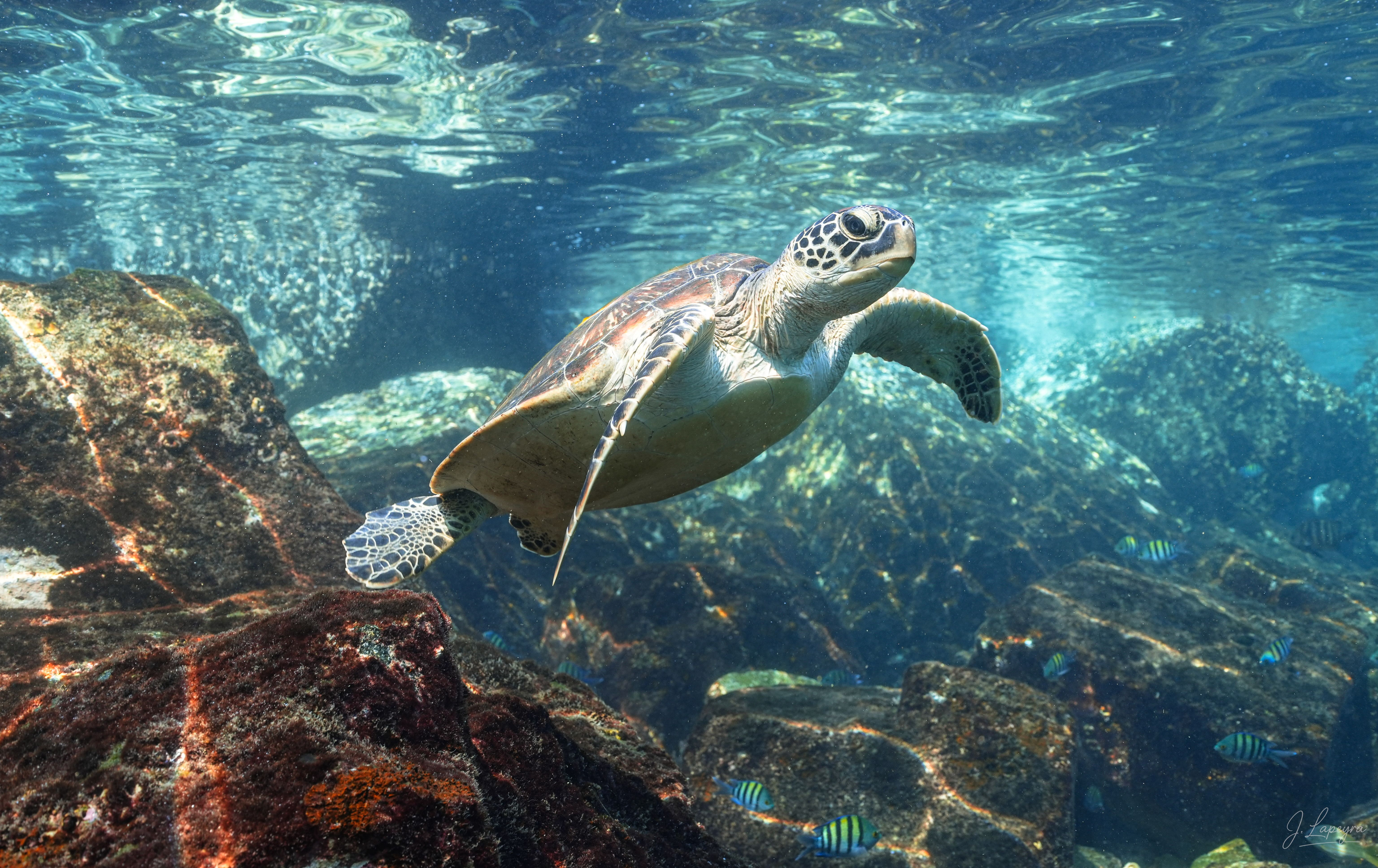
Our results show that juvenile green turtles are highly resident to this system, typically remaining within 3 km of their release sites and spending more than 80% of their time within the MPA boundary. This strong site fidelity highlights the importance of the wetland as a critical developmental habitat. Fine-scale spatial and behavioural analyses also revealed the unexpected importance of artificial habitats. A manmade lagoon, originally constructed for coastal development rather than ecological restoration, showed five times higher odds of use compared with natural mangrove channels. The lagoon appears to provide substantial ecological value, functioning as a nocturnal resting refuge and potentially a novel foraging habitat, with 77% of mapped core-use areas occurring within this engineered environment.
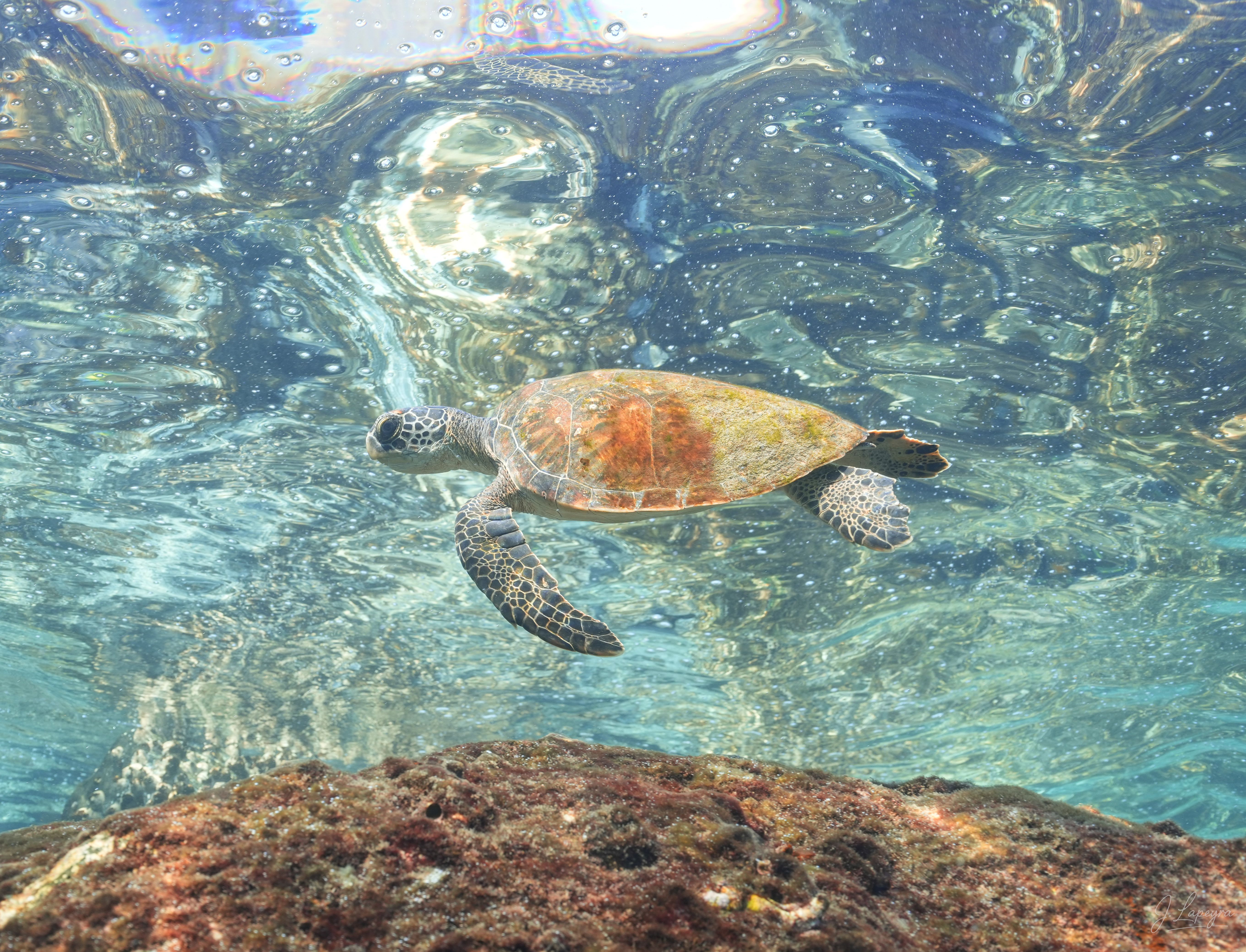
Our findings also suggest that extending spatial protections to include tidal channels linking wetland and ocean habitats could further enhance conservation outcomes. Overall, this study highlights both the critical importance of coastal wetlands for juvenile green turtles and the potential for well-connected engineered habitats to support biodiversity within rapidly changing coastal landscapes.