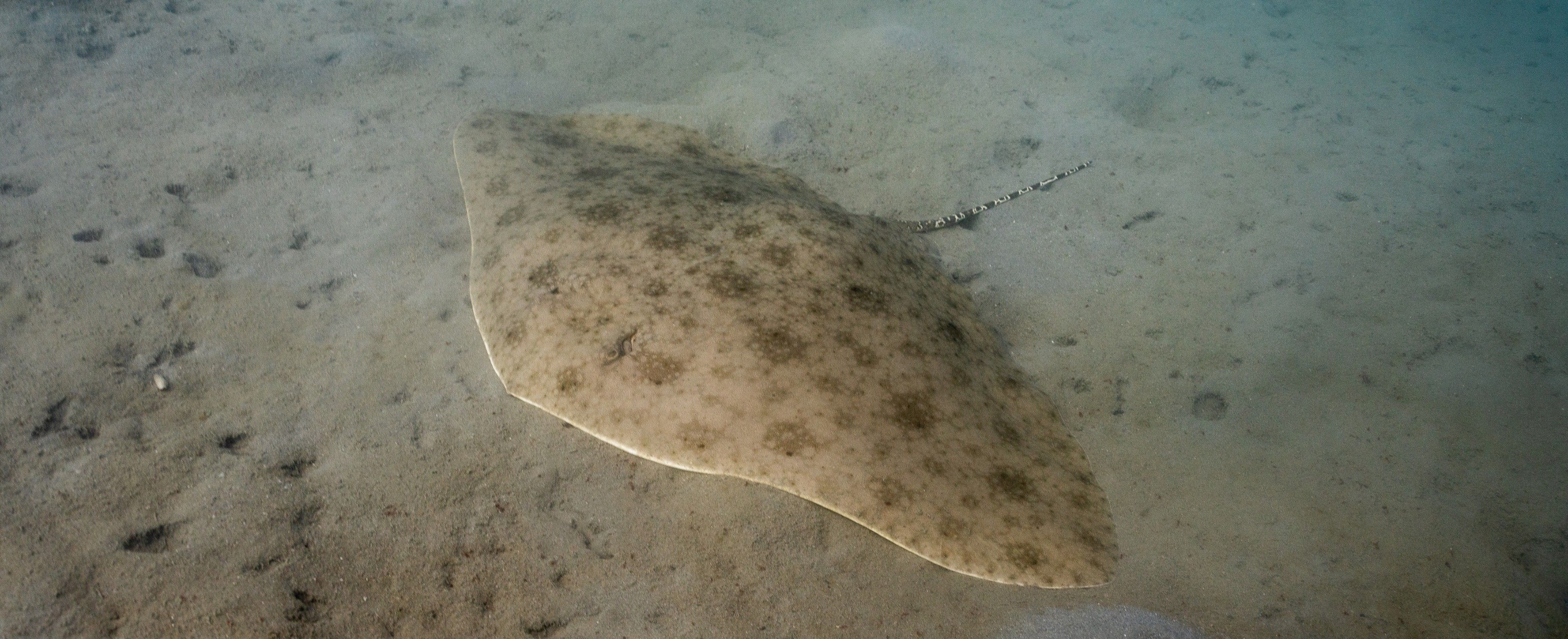
Identifying critical habitat for Gulf of Oman sharks and rays
Identifying the remaining key habitats for threatened shark and ray species along the south-western Gulf of Oman.
Short Project Description / Summary
Identifying the remaining key habitats for threatened shark and ray species along the south-western Gulf of Oman.
Longer Project Description
The Arabian Sea is a globally important regions for sharks and rays, supporting a remarkable diversity of species, many of which are found nowhere else. The southern and western Gulf of Oman, in particular, is home to endangered and critically endangered species such as the whitespotted wedgefish, Indo-Pacific leopard shark, and leopard whipray, alongside many other threatened species. These sharks and rays are under severe threat from human activities, and their populations are believed to be quickly declining.
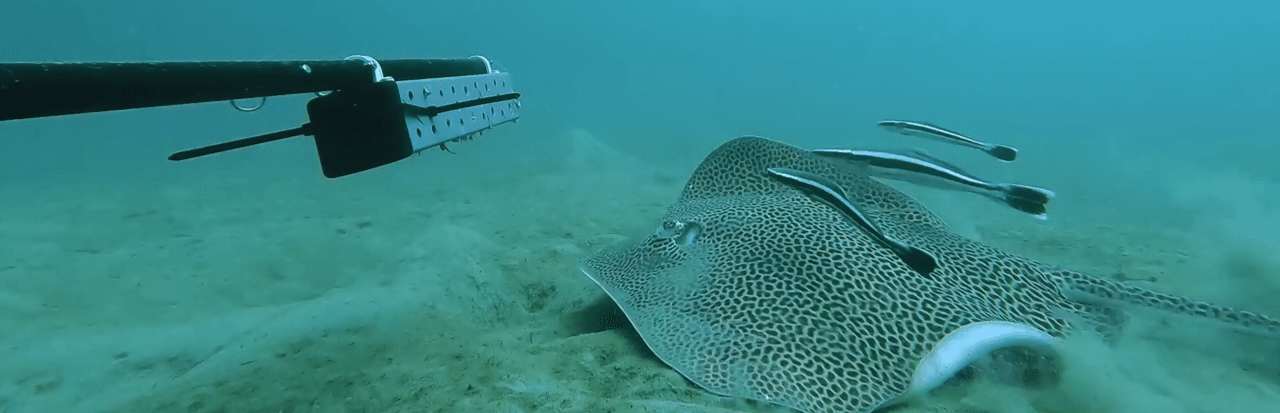

Cumulative human impacts have also resulted in the loss of large areas of mangroves, seagrass, and reefs in the region, fragmenting the few remaining natural habitats these species rely on. For critically endangered wedgefishes and guitarfishes, protecting the last nursery, feeding, and resting sites is critical to prevent local extinctions. Opportunistic sightings of these species at certain sites suggest that small pockets of necessary habitat to support these species still remains, but without detailed documentation, these areas cannot be effectively protected.
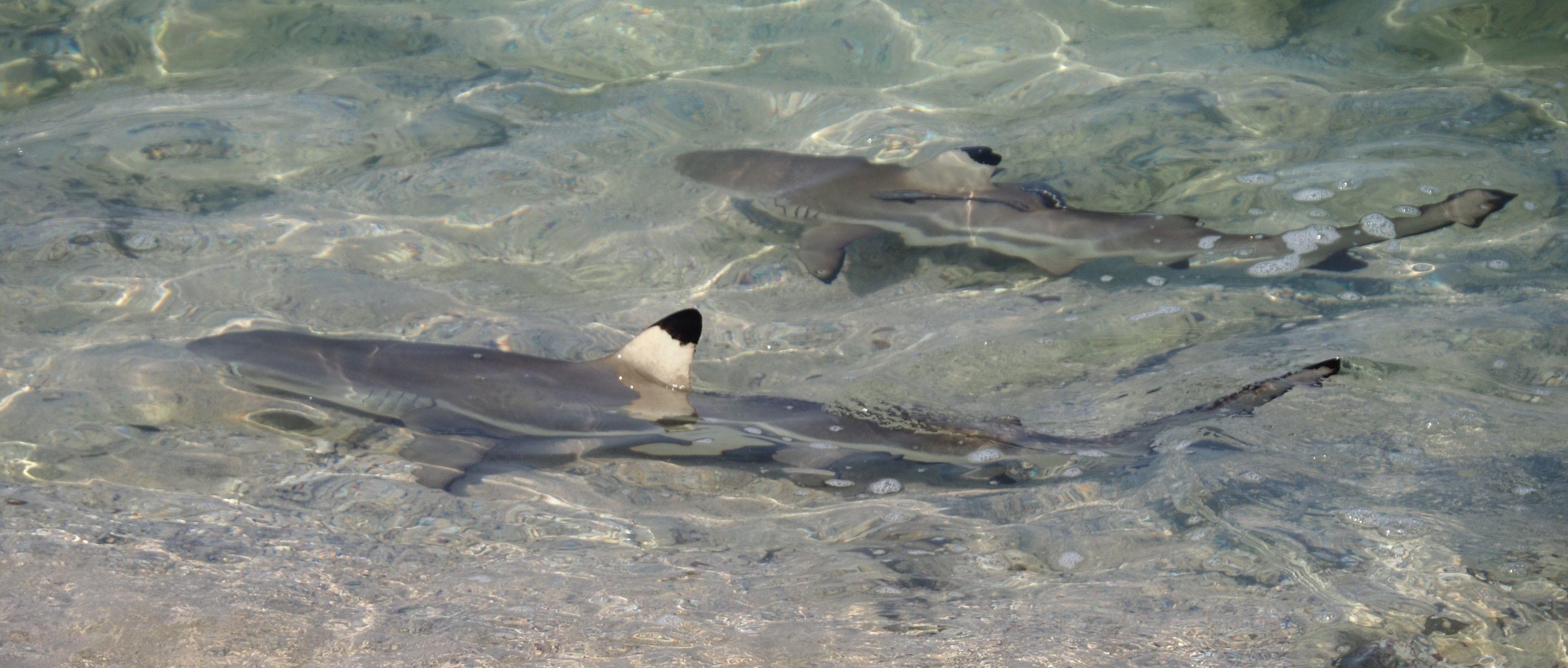
This pilot project aims to change this by generating a benchmark understanding on where threatened sharks and rays still occur along the southern and western Gulf of Oman. Using citizen science, baited cameras, and environmental DNA, we will identify remaining hotspots and provide evidence for stronger protection. By engaging local citizen scientists, such as recreational divers and conservation groups, we will build lasting capacity to monitor and conserve these populations. The results will provide the crucial information needed to safeguard these imperiled species before it’s too late. This is a rare opportunity to protect the last surviving populations in a region where urgent action could mean the difference between recovery and local extinction.